Are you looking for the best neighborhoods in Lisbon, Portugal, to live in?
Lisbon has become an increasingly popular city for expats,, and retirees from all over the world.
What has drawn me to Lisbon since the very first time I visited is its unique charm: a blend of stunning architecture that offers glimpses of the city’s once-grand wealth and the relaxed, easygoing nature of the Portuguese people.
I first visited Portugal in 2017 and moved to Lisbon in 2020.
The city has changed significantly even in the few years that I’ve been here. Some areas like Bairro Alto, Bica, and Cais do Sodré have undergone massive transformations, reflecting a mix of gentrification and modernization. Before the hype around Lisbon started, these areas were quite different, and their evolution highlights how dynamic Lisbon has become.
If you are planning to move to Lisbon and wondering where to live, this guide will walk you through the most popular neighborhoods.
Of course, your choice will depend on your lifestyle preferences—whether you prioritize proximity to the city center, the beach, or a quieter suburban feel. That’s why I will highlight different neighborhoods for different preferences.
The Best Neighborhoods to Live in Lisbon
1. Bairro Alto & Bica
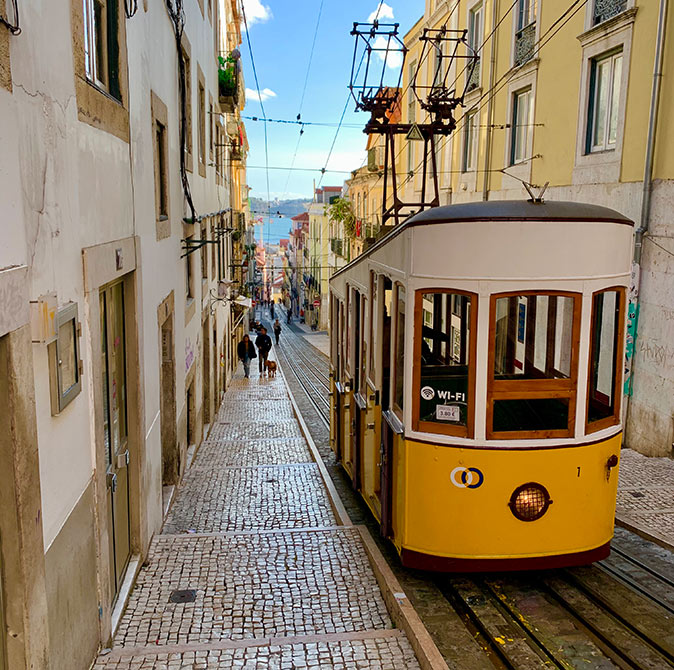
Bairro Alto is one of Lisbon’s most famous neighborhoods, known for its narrow cobblestone streets and vibrant nightlife.
Subscribe to Spend Life Traveling!
Get updates on the latest posts and more from Spend Life Traveling straight to your inbox.Subscribe
We use your personal data for interest-based advertising, as outlined in our
While today it’s primarily recognized as a party district, its history tells a different story. Back in the 1980s and 1990s, Bairro Alto was more of a working-class neighborhood with a grittier edge.
In the 2000s, it started to attract artists, students, and alternative thinkers, which eventually evolved into the buzzing nightlife hub we know it as today.
Nowadays Bairro Alto is packed with small bars, traditional tascas, and restaurants that spill out onto the streets at night.
It’s important to note that Bairro Alto is not ideal for those seeking a peaceful place to live in Lisbon. The noise from late-night revelers can be disruptive, even on weekdays, making it less suitable for long-term residents.
But if you’re looking for a central spot to enjoy Lisbon’s nightlife, it’s hard to beat.
Bica, located just downhill, offers a different vibe. It’s home to the iconic yellow tram that glides down the steep, picturesque streets lined with colorful buildings.
While Bica also has its fair share of bars and restaurants, it feels more residential than Bairro Alto. The abundance of dining options is a definite perk for food lovers, but the lively atmosphere means it’s not always quiet.
That said, it strikes a better balance for those who want to be close to the action while still being able to enjoy a more relaxed living environment.
Both neighborhoods show the charm of old Lisbon. But for long-term living, Bica is the more practical choice, while most Lisbon residents will agree that Bairro Alto is best enjoyed as a place to visit or experience on the weekends.
2. Cais do Sodré
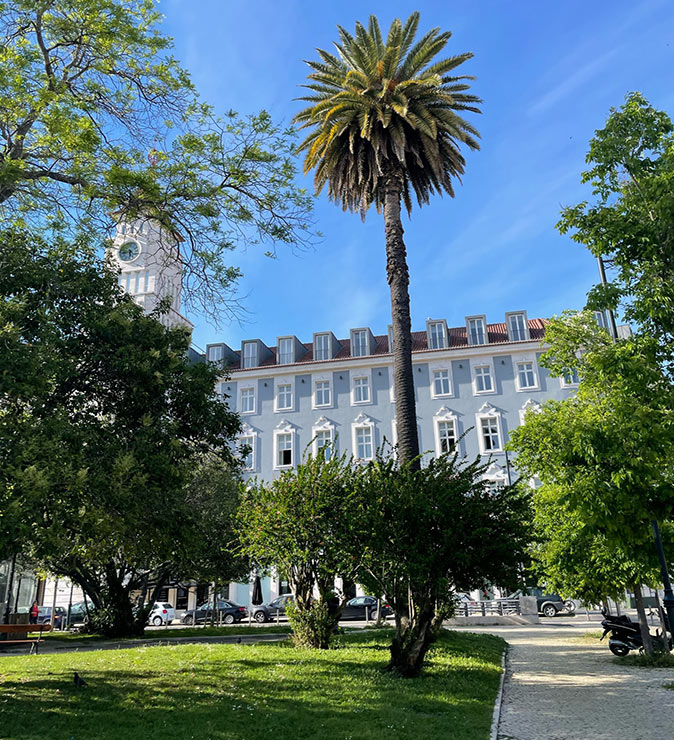
Cais do Sodré has undergone one of the most dramatic transformations in Lisbon over the past two decades.
Once known as a somewhat seedy area with a reputation for nightlife of a different kind, it has reinvented itself as one of the city’s trendiest and most vibrant neighborhoods to live in.
Back in the 1990s and early 2000s, Cais do Sodré was filled with rundown bars and questionable establishments catering to sailors and late-night wanderers. Today, it’s a hub for foodies, culture lovers, and partygoers alike.
The riverside district is now famous for the Time Out Market, a modern food hall that showcases some of Lisbon’s best chefs and culinary experiences, and the iconic Pink Street, a colorful hotspot for nightlife.
Pink Street was once home to brothels and cheap dives but is now lined with chic bars and clubs that attract a mix of locals, expats, and tourists.
Crazy how a district in the center of a city can change within just a bunch of years, right?
For those considering living around Cais do Sodré, it’s important to weigh the pros and cons of living here.
The area’s central location and excellent transport links (including a train station, metro, and ferry terminal) make it incredibly convenient. You’ll also have easy access to the riverside promenade, perfect for a morning jog or sunset stroll.
The neighborhood is a dream for those who want to live in the heart of Lisbon’s action, with trendy restaurants, boutique shops, and coworking spaces at your doorstep.
However, the vibrancy comes with a price: noise. Especially in the summer, the streets can get crowded and lively well into the night, making it less appealing for those who value peace and quiet.
If you’re planning to live here, consider looking for apartments on quieter side streets or in buildings with good sound insulation (not easy to find). Alternatively, explore the edges of the neighborhood, where the hustle and bustle fade, but you’re still close to the action.
3. Santos
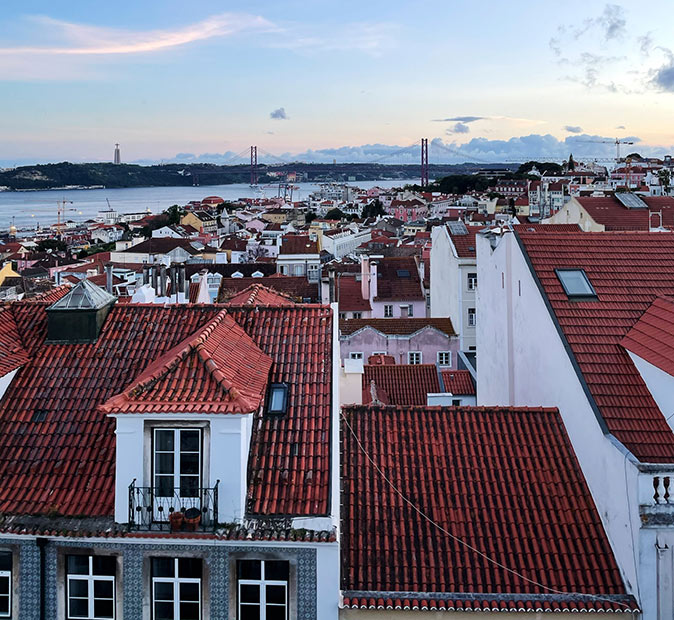
Santos has become one of Lisbon’s trendiest neighborhoods, often nicknamed the “design district.”
Historically, Santos was a quiet residential area home to working-class families and small workshops. But over the last 20 years, this area has transformed into a creative hotspot. Designers, architects, and expats flock here for its unique mix of old-world charm and modern energy.
What I love most about Santos is how it blends tradition with creativity. You’ll find design shops and contemporary art galleries tucked inside traditional buildings covered in colorful azulejos.
Small boutique bakeries and cozy cafes are scattered throughout the neighborhood, where you can spend lazy afternoons people-watching or diving into a good book.
Living here offers plenty of options—from modern, minimalist apartments to beautifully restored Portuguese homes with balconies that overlook the Tagus River.
Its riverside location is a big perk, especially if you’re into jogging, cycling, or just taking in the fresh air during a relaxed evening stroll.
Compared to Cais do Sodré, Santos has a much more residential vibe. It’s quieter and feels less hectic, which is a huge plus if you want to be close to the center without the non-stop noise of nightlife.
That being said, there are still plenty of great bars and restaurants around—perfect for dinner with friends or a casual drink without needing to venture far.
When I first moved to Lisbon, Santos was my base. It was a fantastic place to settle in as a student, with its lively yet relaxed vibe. But honestly, it’s not just for the younger crowd. Santos strikes the perfect balance for young professionals, families, and older expats looking for a creative yet peaceful neighborhood that’s still super convenient.
For me, it’s one of those places you could easily fall in love with, especially if you enjoy the mix of tranquility and city accessibility.
4. Príncipe Real
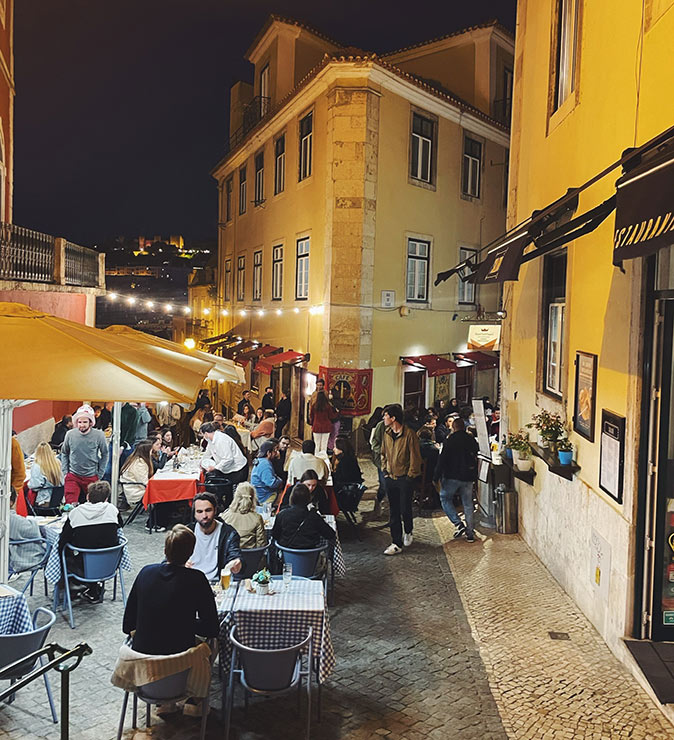
Príncipe Real is one of Lisbon’s most elegant and desirable neighborhoods, and I totally get why—it’s where I’ve spent most of my time living in the city, and I’ve come to absolutely love it.
Historically home to grand mansions and wealthy families, the neighborhood has managed to keep its sophisticated charm while evolving into a trendy hotspot for both expats and locals.
What sets Príncipe Real apart for me is its beauty. The streets are lined with stunning 19th-century palaces and townhouses, many of which now house embassies, stylish boutiques, or contemporary galleries. It’s the kind of place where you’ll stumble upon unique shops or art spaces tucked into historic buildings.
At its heart, you’ll find Jardim do Príncipe Real, one of my favorite spots in Lisbon. It’s a small, peaceful park surrounded by cozy cafes, perfect for a coffee break. On Saturdays, the park comes alive with an organic market where you can grab fresh produce or artisanal goods—ideal if you enjoy cooking or love finding local treasures.
The food scene here is another big highlight. You’ll find everything from wine bars to small kiosks serving up drinks and snacks, alongside traditional tascas where you can enjoy authentic Portuguese meals.
It’s a neighborhood that feels refined but not pretentious, striking a perfect balance between luxury and livability.
As a place to live it’s on the pricier side, but honestly, if you’re looking for a place that combines central convenience, cultural richness, and a relaxed atmosphere, Príncipe Real is hard to beat.
Whether you’re strolling through the tree-lined streets, grabbing a drink at a nearby kiosk, or just soaking up the laid-back vibe, it’s a neighborhood that feels like a little slice of paradise right in the middle of the city.
5. Baixa
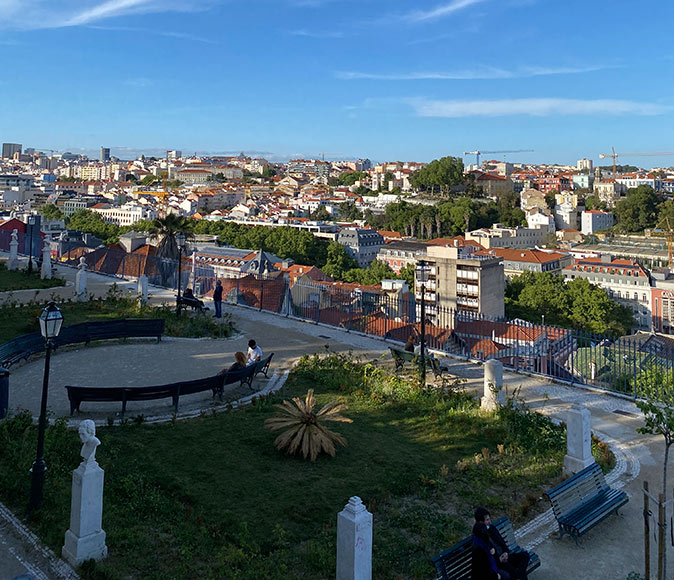
Baixa is Lisbon’s historic downtown and one of the first areas you’ll likely explore when visiting the city.
Walking through its grand squares like Praça do Comércio or strolling along Rua Augusta feels like stepping into a postcard. The architecture tells the story of a city rebuilt after the 1755 earthquake, with neoclassical buildings and wide, sunny streets.
Living here, you’ll be right in the center of everything—shops, restaurants, and transport links are all on your doorstep.
But keep in mind that Baixa can feel a bit chaotic, especially during tourist season when the streets are packed (around May – September).
If you’re thinking about renting in this part of Lisbon, I’d recommend checking the upper floors of buildings (many of which have been beautifully renovated) to avoid the street noise. And look for places with good insulation—older buildings here can get drafty in winter.
For day-to-day living, I wouldn’t say Baixa is my top pick for a long-term stay—it’s not the most “neighborhood-y” area.
You won’t find that local vibe or sense of community here that you might get in places like Anjos or Príncipe Real.
But if you’re someone who loves being in the middle of the action and waking up to iconic views every day, Baixa has its charm. For quieter evenings, take a short walk over to Alfama or the riverside, where things slow down a little.
6. Alfama
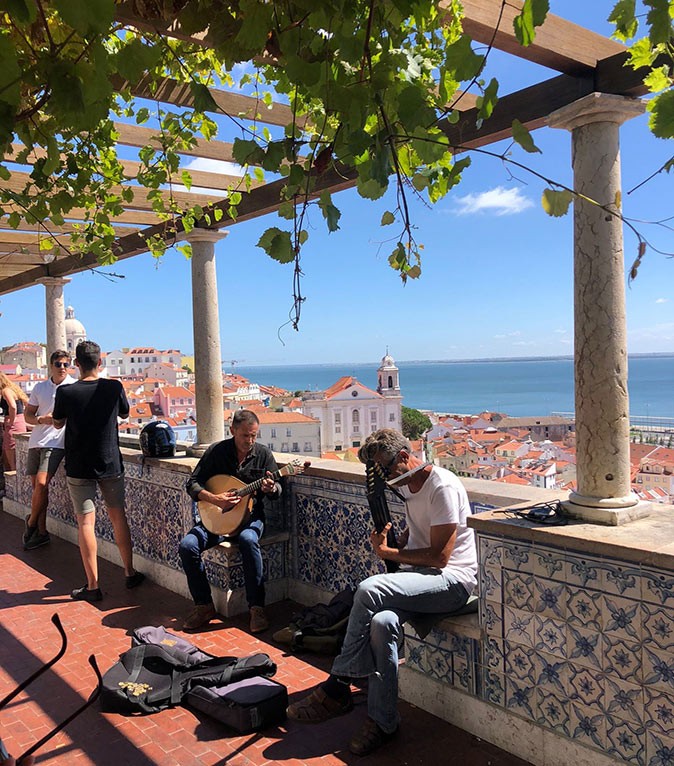
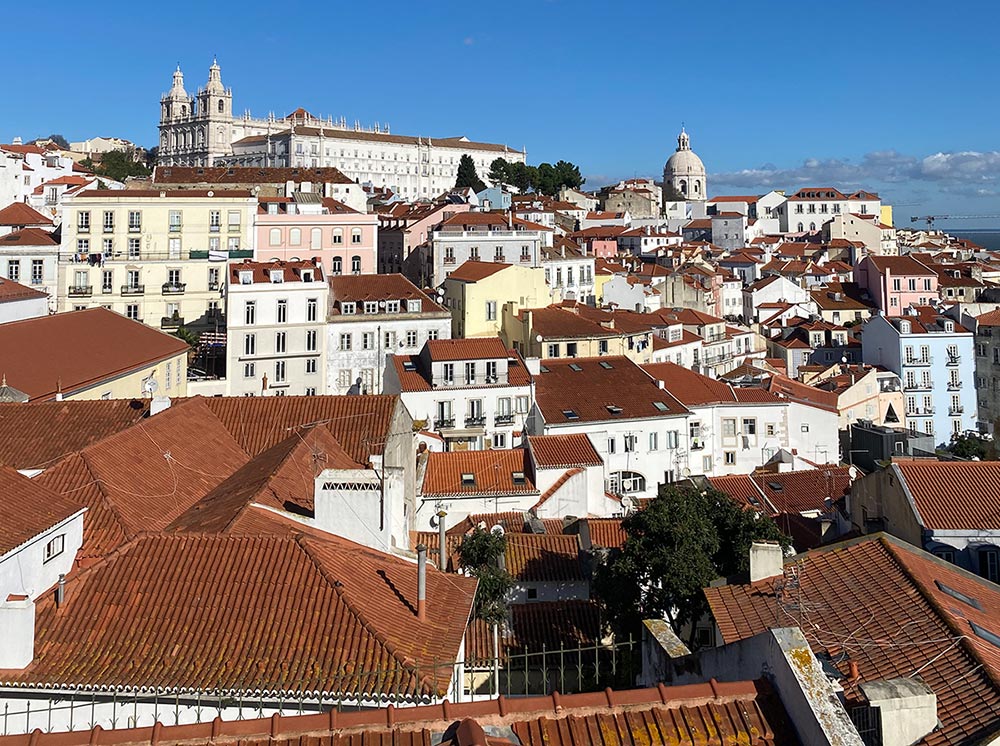
Alfama is Lisbon’s oldest neighborhood, and living here feels like stepping into a living museum.
Its maze of narrow streets, colorful tiles, and centuries-old buildings hold so much character that you can’t help but fall in love with it.
But if you’re considering moving here, there are a few things you should know.
First, let’s talk about the vibe. Alfama isn’t a place for shiny, modern apartments with all the latest conveniences. Instead, you’ll find quirky, traditional homes—sometimes with low ceilings, steep stairs, or a bit of wear and tear. It’s part of the charm, but it’s good to be ready for it.
If you’re okay with living in a smaller place that’s packed with character, you’ll love it.
One thing I wish I’d known earlier is how steep the streets are. Walking around Alfama can feel like a workout, especially if you’re carrying groceries or coming home after a long day.
That said, it’s worth it for the views—there’s nothing quite like watching the sunset over the Tagus River from Miradouro das Portas do Sol. Trust me, it never gets old.
One thing I love about Alfama is the sense of community. Neighbors chat on doorsteps, and you’ll quickly pick up tips on the best markets or shortcuts through the maze-like streets.
Festivals, especially Santos Populares in June, turn the area into a lively street party. It’s unforgettable but loud, so be ready for the energy.
Alfama is perfect if you’re someone who values history, culture, and a strong sense of place over modern luxuries. It’s not the easiest neighborhood to live in, but if you fall for its charm, it’s impossible to resist.
7. Arroios & Anjos
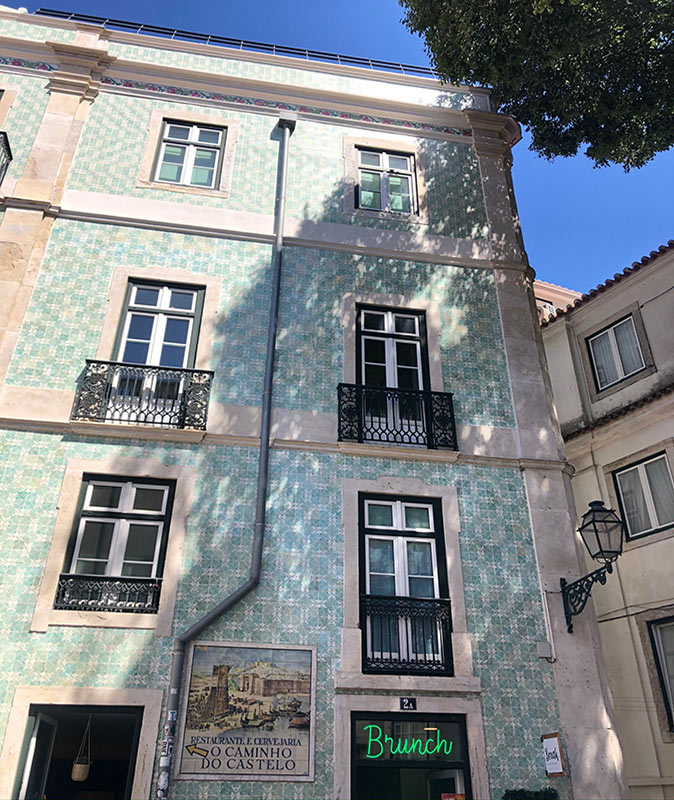
Arroios and Anjos are perfect if you’re looking for an authentic experience, with more affordable housing, excellent transport links, and plenty of character.
In Arroios, Avenida Almirante Reis is the main hub, but if you prefer quieter streets, explore the side alleys around Rua de Morais Soares. The Mercado de Arroios is a must for fresh produce and local life—get there early to grab the best deals.
Anjos, just north, has a more alternative, creative vibe. You’ll find street art around every corner and quirky cafes where freelancers and artists gather.
A favorite spot of mine is Largo do Intendente, a square that’s been transformed in recent years. It’s now home to lively terraces, cultural events, and cool spots like Casa Independente, a café-bar in a historic building with a fantastic courtyard.
If you’re moving here, the neighborhoods offer a mix of older, spacious apartments and newer, renovated ones, often at a much better price than areas like Príncipe Real.
Anjos also has some of the best international eateries—think authentic Ethiopian, Indian, or Chinese food at wallet-friendly prices.
Both neighborhoods are well-connected by the metro (Anjos and Arroios stations), and from here, you can reach anywhere in the city with ease.
8. Alcântara
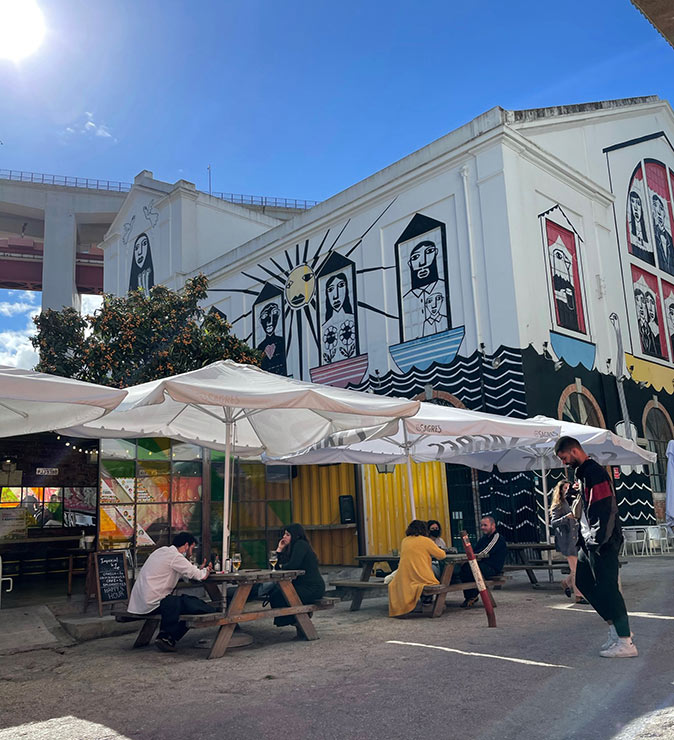
Alcântara is a neighborhood in transition, where historic warehouses and industrial spaces are being transformed into trendy hotspots.
The LX Factory, a creative hub with shops, cafes, and coworking spaces, is a must-visit—and if you end up living nearby, it might just become your go-to spot for weekend brunch or a quiet place to work.
You’ll find renovated apartments in traditional buildings alongside modern developments with river views.
Prices here are more reasonable than in central Lisbon, and the proximity to the waterfront makes it a great place for runners, cyclists, or anyone who enjoys a stroll along the Tagus River.
One thing to keep in mind: Alcântara can feel a bit industrial in some areas, and public transport isn’t as comprehensive as in more central neighborhoods. That said, the tram and buses connect you to key parts of the city, and the train from Alcântara-Mar can take you to Cascais if you’re craving a beach day.
If you’re moving here, check out the quiet streets near Tapada da Ajuda, a large green space perfect for picnics and outdoor workouts. It’s also close to the Instituto Superior de Agronomia, which occasionally opens its stunning botanical gardens to the public.
Moving to Lisbon
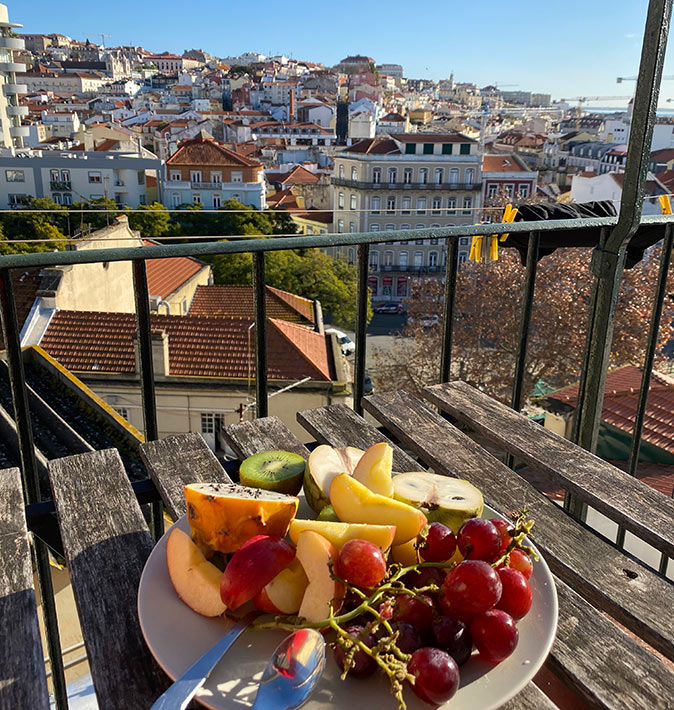
Before deciding which neighborhood to live in, I highly recommend spending some time in Lisbon first.
Rent an apartment or book a hotel in different areas to really get a feel for the city and its distinct vibes.
You’ll quickly see that each neighborhood has its own personality, and the energy can change depending on the time of day or even the season.
I could go on and on about each area, but honestly, the best way to know if a place feels right for you is to explore it in person. Everyone experiences a neighborhood differently—it’s the small encounters, the local cafes, and the hidden gems that make it truly come to life.
Once you’ve narrowed down where you’d like to live, the next step is finding a place.
is the most popular platform for rentals and sales in Lisbon, so it’s a good starting point. Just keep in mind that demand is high, especially in central areas, so be prepared to act fast.
If you’re looking for something more flexible to start, short-term rental platforms like Airbnb are good options. They give you the chance to experience the area before committing long-term, but of course you’ll pay more than for a long-term rental.
If you’re looking for flexible mid-term rentals while you settle in or explore your options, companies like Bleisured can help you find a comfortable and well-located place. They offer fully serviced apartments in central locations around Lisbon—ideal if you’re new to the city and want the comfort of a home away from home without being tied into long-term contracts straight away.
One last piece of advice: Be patient and open-minded. The housing market in Lisbon can be competitive but don’t get discouraged. Keep an eye on new listings, explore different platforms, and, most importantly, trust your instincts about what feels right.
If you take the time to really experience the city, the right place will eventually find you.
Also Read:

Author: Simon Link
Originally from Germany, moved to Lisbon in 2020 for his studies and quickly fell in love with the city. In 2022, he built on his passion for Lisbon by foundin a property and rental management company that offers serviced apartments for mid-term stays in the Portuguese capital.